





In the age of economic sovereignty, business can’t sit on the sidelines
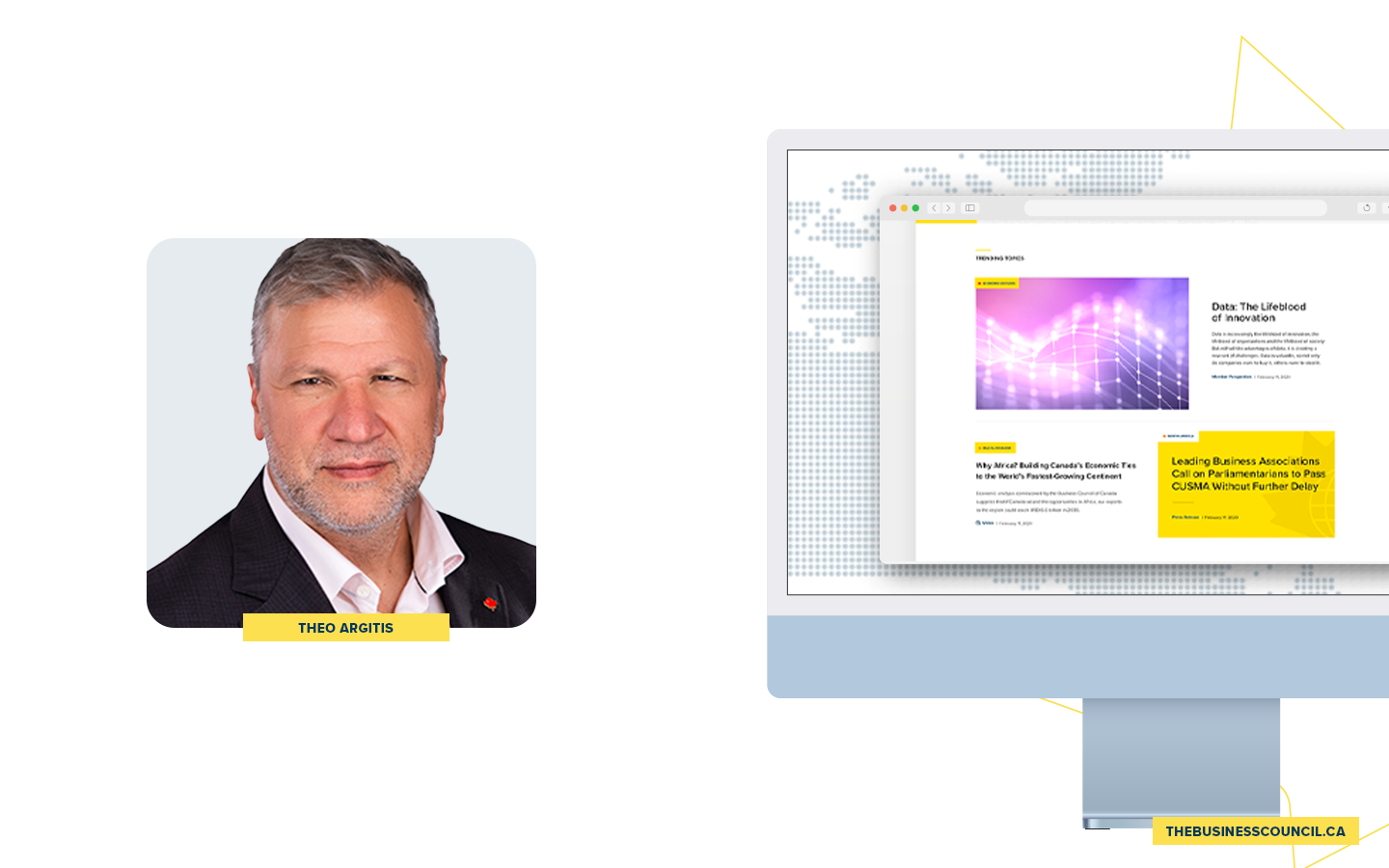
As published by The Hub
The string of geopolitical shocks that have kick-started 2026 is a reminder that sovereignty has become a defining issue of our time.
The concept—sovereignty—is a catch-all that can mean whatever you want it to mean, much like the sustainability framework before it. But at its core, it refers to a nation’s capacity to govern itself independently, without being overly constrained by other countries or circumstances like external shocks. Self-reliance and resilience, in other words.
This shift is global. The Europeans call their sovereignty-based framework “strategic autonomy.” In Canada, the concept is at the very centre of Prime Minister Mark Carney’s governing agenda.
But what does it all look like in practice? How exactly is this new sovereignty zeitgeist reshaping public policy? And what does it mean for the private sector?
While there’s still plenty of debate over the degree of change taking place, some trends are clear: in a world of growing uncertainty, countries are placing a premium on policies that bring stability. And in response, they are building new economic, political, military, and institutional capacities to reduce vulnerability.
This is not a recent global trend. But it has accelerated in recent years, fueled by the COVID-19 pandemic, the Ukraine war, inflation, the rise of populism, global economic fragmentation, etc. The result has been a resurgence of economic nationalism, government intervention, and protectionism.
President Donald Trump’s threats to impose a new 10 percent global tariff, in response to the U.S. Supreme Court’s decision on Friday to strike down some other duties, only accentuate the point.
It’s an unsettling environment.
Canada is deeply invested in the success of a stable global system. Over the past 30 years, about one-third of everything we’ve produced has been exported. And it’s not just trade. Canadians are one of the world’s largest creditor nations, owning more than $11 trillion of assets outside the country.
The return of industrial policy to Canada, meanwhile, is fraught with risk. Governments driving resources to strategic industries can provide resilience and more economic sovereignty, but at the expense of higher prices and lower efficiency.
The trade-offs would be real even if policies were perfectly implemented. But almost certainly, execution will fall short, adding to the costs. The federal bureaucracy simply doesn’t have the capacity to do everything the prime minister and his cabinet are asking of it: managing economic disruption, rebuilding infrastructure, delivering large-scale projects, engaging in commercial diplomacy, mobilizing defence spending and procurement, leading on technological change.
The federal government has resorted to workarounds—like Bill C-5 and the Defence Investment Agency—to close the gap between ambition and state capacity. But workarounds are likely unsustainable, and we’ll need more lasting solutions.
For Canadian business, the impact of all these structural shifts will be profound.
At home, policymakers will try to persuade, incentivize, and even coerce companies to do more in the pursuit of priorities deemed to be in the national interest. Abroad, protectionism threatens to alter the DNA of global competition. Being productive and innovative may no longer be sufficient to succeed in the global marketplace.
As governments pursue more sovereignty-driven policies, it will be critical for Canada’s business community to become engaged in influencing how this agenda evolves. This includes contributions to the discussion about how to enhance state capacity and the effectiveness of government, as well as how industrial policy is designed and implemented in a manner that continues to support growth and competitiveness.
Business and government will also need to find ways to constructively work together, on everything from large projects and infrastructure to labour market planning and national unity. The private sector can’t afford to treat this shift as something happening to it. The business community must shape how it all unfolds.